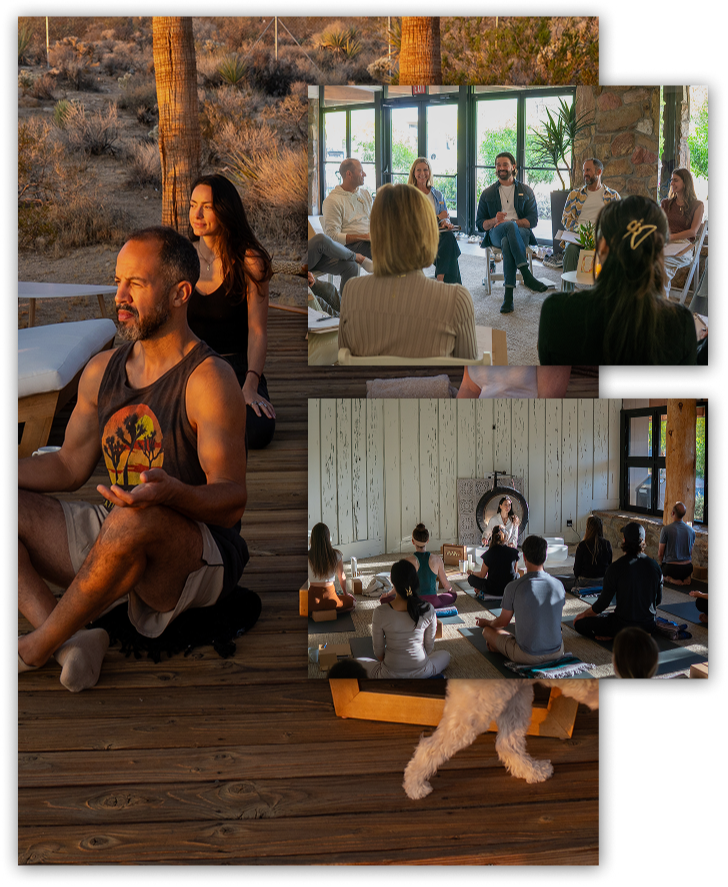
Self-Mastery Insight: Devote to Daily Practice
What does your morning look like before the world gets to you?
If you're like 85% of the population, you check your phone within 10 minutes of waking.
Most people answer the phone, the inbox, or the problem to solve before they answer to themselves. The day begins in reaction rather than intention.
By the time there's a free moment to think clearly or create something new, your energy reserves are already spent.
Implementing a daily practice changes the order and puts you back in control of your day.
It doesn't need to be elaborate. It can be ten minutes of movement, a page of journaling, or getting outside upon waking.
What matters is that it's yours, and that it sets the tone for your day. Structure is often mistaken for restriction.
In practice, it's the opposite. When the basics of your day are already decided, your mind isn't spending energy deciding them.
That energy is now available for the things that actually require it: the hard conversation, creative idea, or decision no one else can make for you.
This is also where burnout loses ground. If you're running purely on reaction, you have no fixed point to return to. This creates instability in the workplace and within yourself.
A daily practice is that fixed point. It's the part of the day that belongs to no one but you, and it's what keeps the rest of the day from running you instead of the other way around.
A daily practice is the ultimate way to keep your energy centered, clear, and grounded.
Researchers at Duke University found that close to 40% of our daily actions run on habit rather than active decision.
That's a large percentage of your life operating on autopilot. It's a reason to be deliberate about what positive, or negative, habits you are actively creating.
When you protect your practice, when you create space to step away, move, think, or breathe, you give everyone watching permission to do the same. People follow action rather than words.
What kind of example do you want to set for those around you?
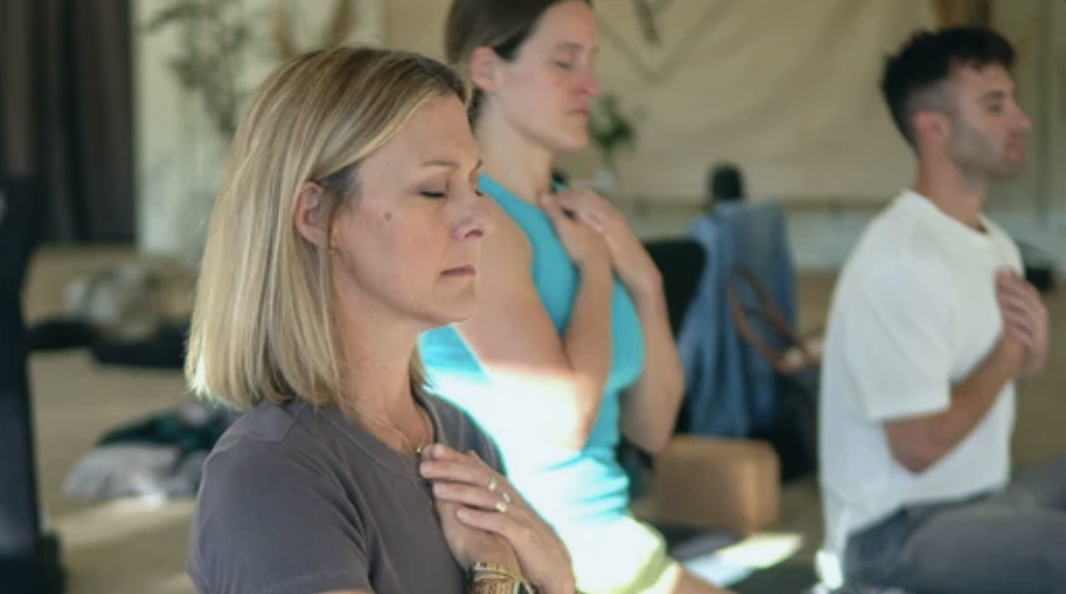
Applied Wisdom: Ritucharya
In Ayurveda, ritucharya means seasonal routine. It's the practice of adjusting how you live based on the season you're currently in, rather than carrying the same pace through the whole year.
Summer asks for output. Longer days, more activity, more external energy spent on other people and other priorities. September asks for a different energy.
It's a natural pause point, a season built for slowing down and taking inventory before the momentum of fall picks back up, and seasonal overwhelm can set in.
This is the moment to ask where your energy actually went over the last few months, and whether or not it came back to you.
Some of what you gave your energy to this summer likely rejuvenated you. Some of it just depleted you, and you may have kept going anyway because the pace didn't leave room to notice the difference.
Ritucharya is the practice of noticing now, before you build another season on top of another one without reflection.
What did you learn from the past few months? How can you incorporate this knowledge into the next chapter of creating your daily practice?
A daily practice naturally shifts, and changes with your life season as well as the calendar seasons.
The key is to allow the course to change, and hone how you navigate it so you can optimize your time, energy, and capacity.
Tool: Design Your Practice
Take note of what activities feel energizing to you and which ones don't. Notice which area, or areas, of your day need more nourishment. Take five minutes and write down the first few things that come to mind.
Then let this season tell you what to build.
If you are needing a slower pace → Sit for five minutes upon waking, outside or somewhere in your home dedicated to this practice. Nothing else to do but sit with yourself, observe, and breathe.
If you are needing physical nourishment → Start the day with something that feeds the body directly. A glass of mineralized warm water with lemon before coffee, a few minutes in sunlight, a meal eaten without a screen in front of you. Small acts that remind your body it's being taken care of.
If you are needing more movement → Spend ten minutes in the morning moving your body in the way it's asking. It can be as simple as a walk or a few minutes of stretching.
If you are needing more connection → Reach out to one person without a goal other than to simply check-in and say hello. Or ask a friend or loved one to a meal or a hike and leave the phones at home. Intentional time with another human.
Whatever you choose, listen to what this current season of life is asking of you. Start small, and add more to your daily practice once you feel steady in the routine you've already built.
It should feel exciting rather than adding another daunting task to your list.
Takeaway: Creating Space
By cultivating intentional space for yourself each day, you create bandwidth for everything else life asks of you.
Think of your morning practice as a brick. One alone doesn't do much. But lay one down every day, and you build a foundation, one sturdy enough to hold under pressure instead of cracking from it.
As a leader, life asks a lot of you.
People need answers, problems need solving, work and family both pull for your attention, and there's a constant undercurrent of pressure to create more, do more, be more.
The foundation is you.
Tending to what you actually need, daily, isn't indulgence. It's the not-so-secret key to a life that's sustainable, meaningful, and genuinely yours.